You're viewing an older version of the aµtoPULSE help. For the latest version, visit online help 1.3.
Before you set up the aµtoPULSE instrument, familiarize yourself with the instrument’s specifications, components, and accessories.
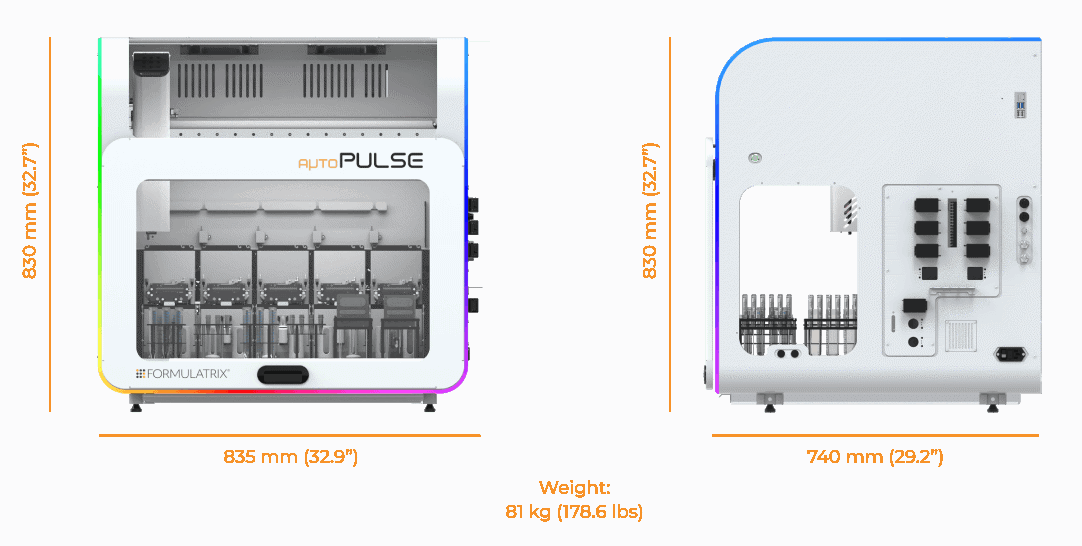
Instrument Dimensions
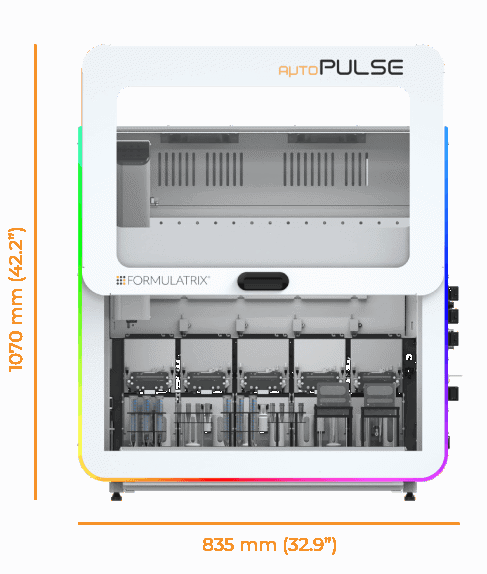
Instrument Dimensions (With Door Open)
aµtoPULSE requires vacuum and pressure to actuate the chip’s diaphragm, liquid control valves, and each station’s clamp, supplied by the included FORMULATRIX Pump Box.
The following are the minimum system requirements to run the aµtoPULSE software.
| Minimum | Recommended | |
|---|---|---|
| Browser | Google Chrome version 97 or later | Latest Google Chrome version |
| Screen Resolution | 1366x768 | 1920x1080 |
| Screen Size | 11” | 14” |
Note: The instrument and the control device must be on the same network to connect.
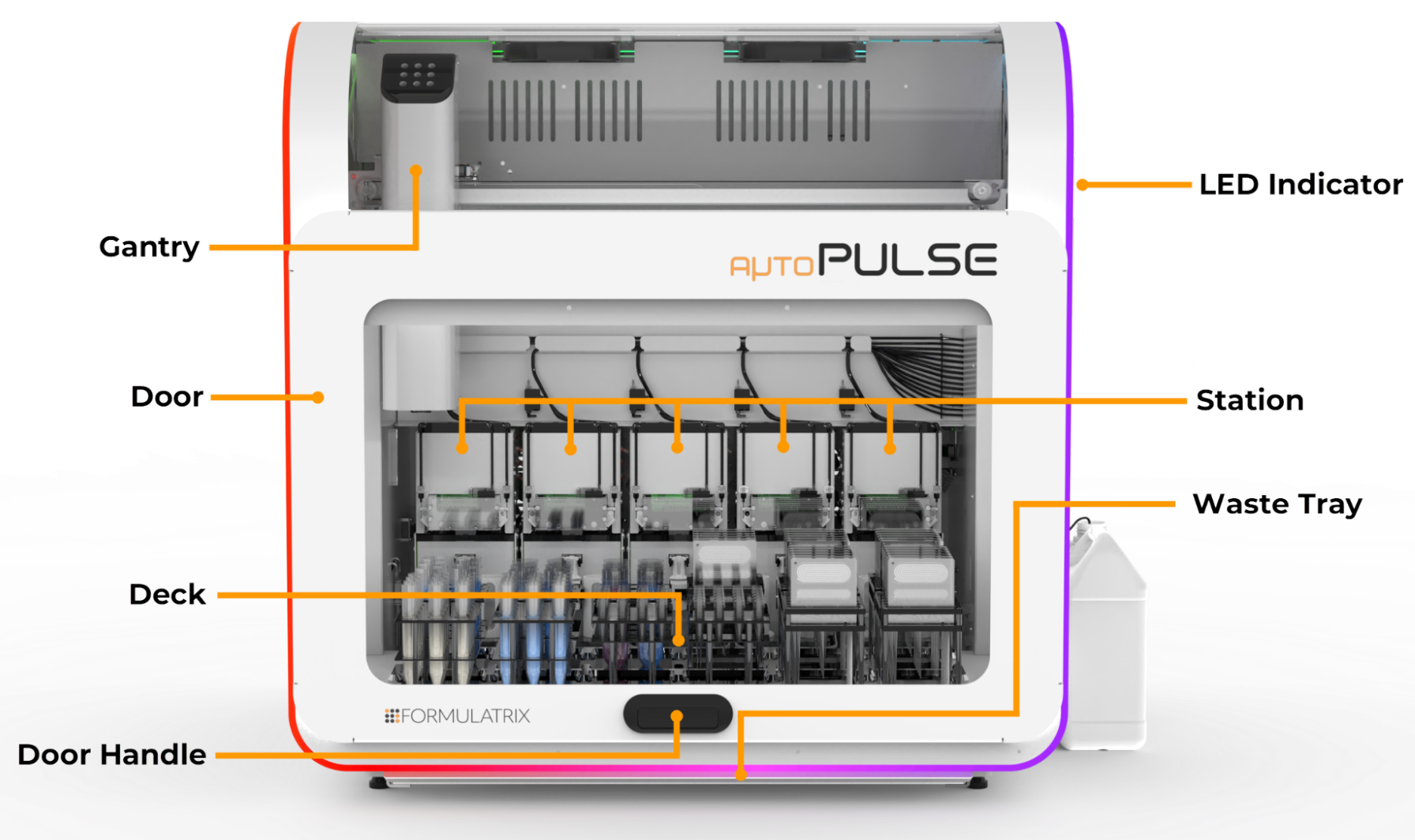
aµtoPULSE Front View
The gantry moves tubes and chips during operation. It consists of the following main parts:
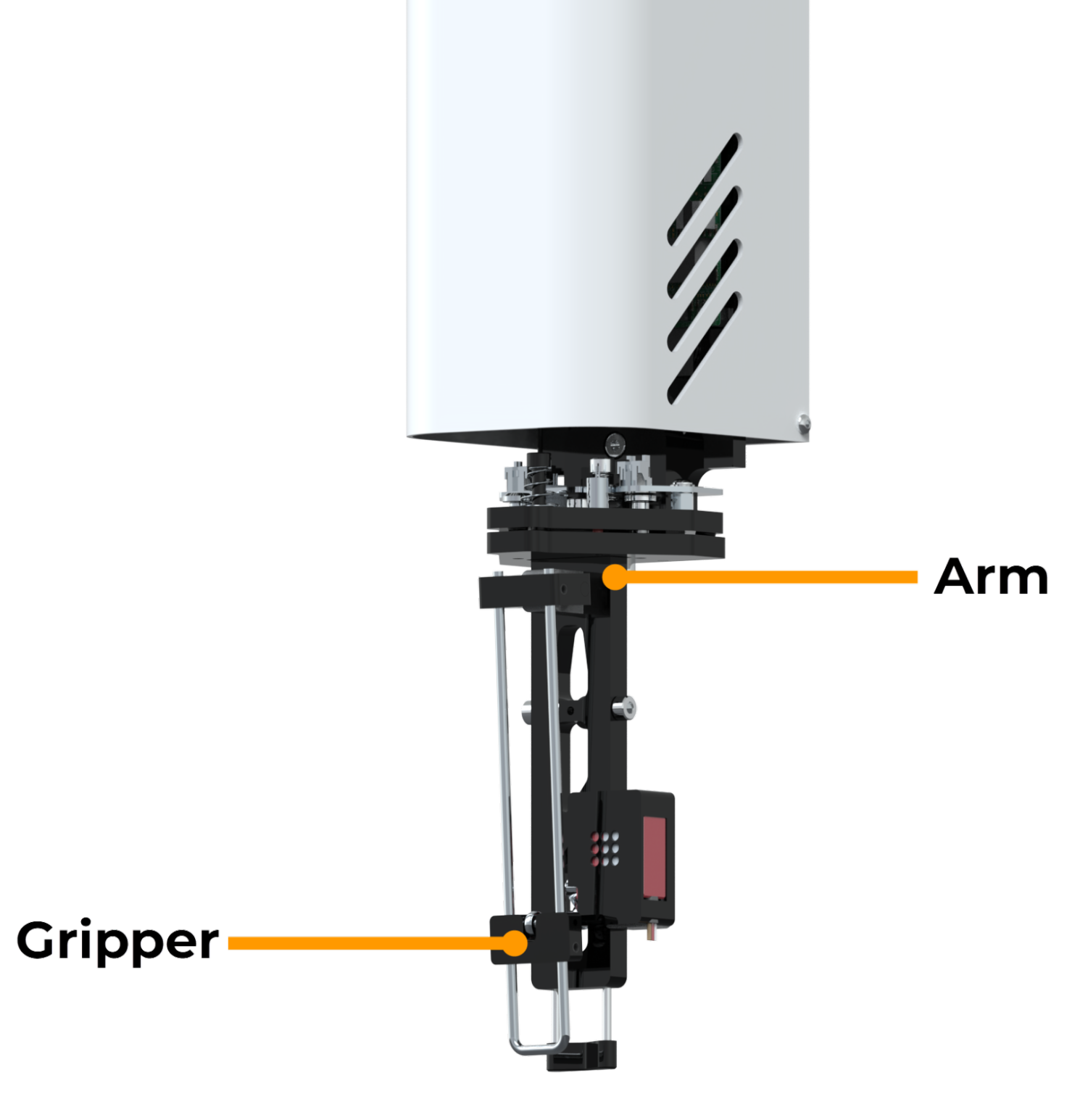
Arm and Gripper on the Gantry
The deck holds all the tubes and chips you need to run an experiment. It consists of 12 nests in which you can place the compatible tube racks and chip racks.
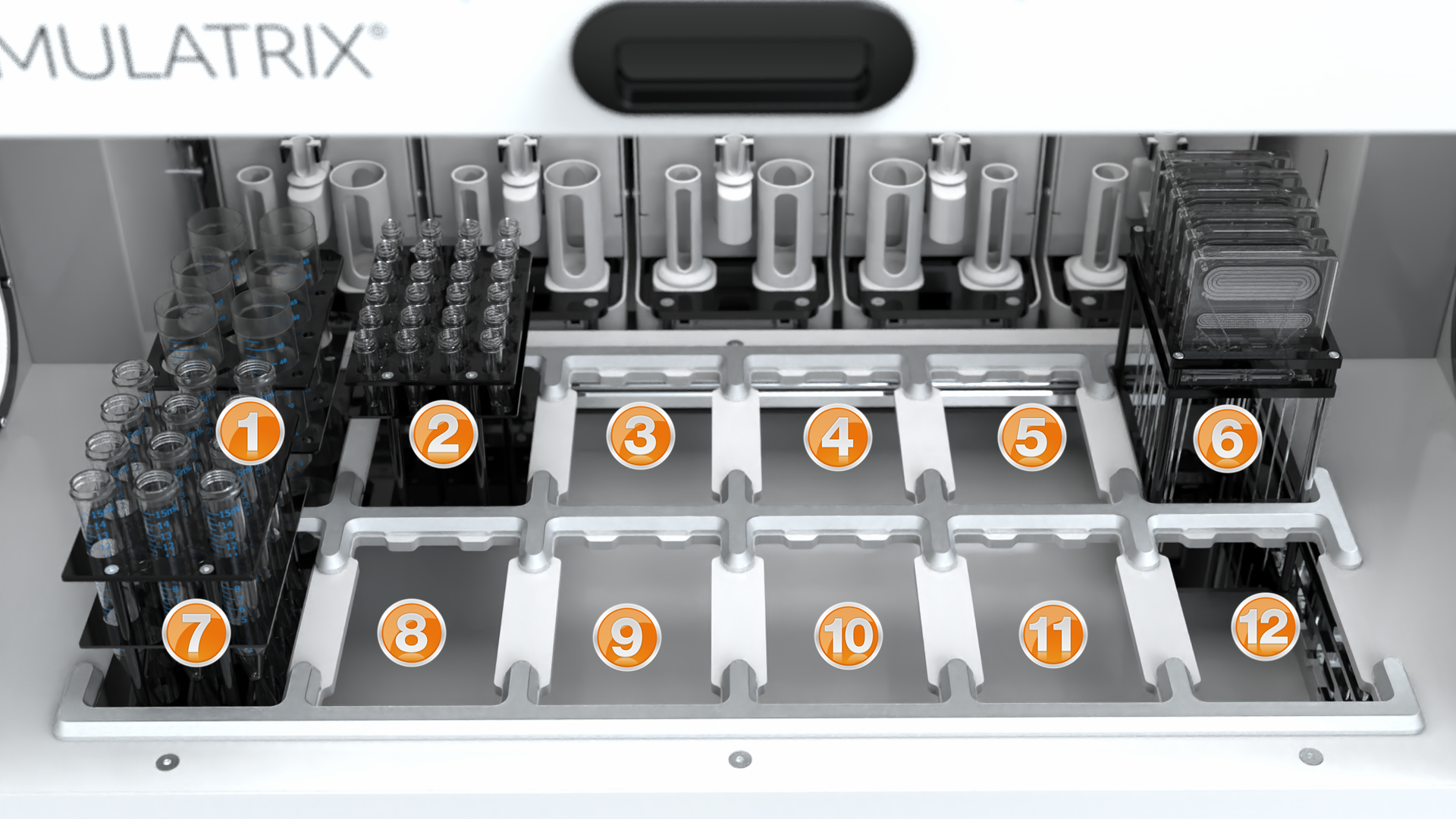
The aµtoPULSE Deck
The door allows access to the internal components. For safety reasons, opening it during a protocol run will pause the gantry and trigger warning indicators in the Status Bar.
The LED indicator displays various colors, each indicating a different instrument status during operation.
| Color | Description |
|---|---|
| Blue | aµtoPULSE is initializing. This may take a few seconds. |
| Rainbow | aµtoPULSE is idle. |
| White to Green | aµtoPULSE running a protocol. The indicator turns fully green when the protocol is complete. |
| Yellow | aµtoPULSE is paused. |
| Red | aµtoPULSE has encountered an error. |
The 5 stations in aµtoPULSE support chip operation, liquid transfer, and volume measurement. Each station is connected to the peristaltic pumps on the instrument’s right side via peristaltic tubing.
There are five stations configured as a combination of Concentration and Cleaning stations (e.g., 3 Concentration and 2 Cleaning, or 4 Concentration and 1 Cleaning). Concentration stations perform sample concentration and buffer exchange, while Cleaning stations are dedicated to chip-cleaning.
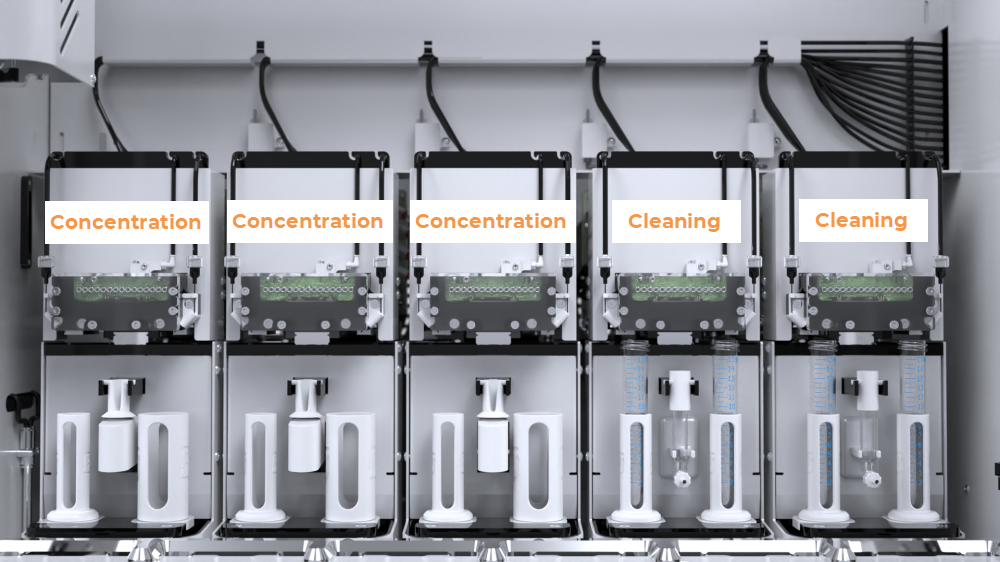
The aµtoPULSE Stations in a 3-2 Configuration
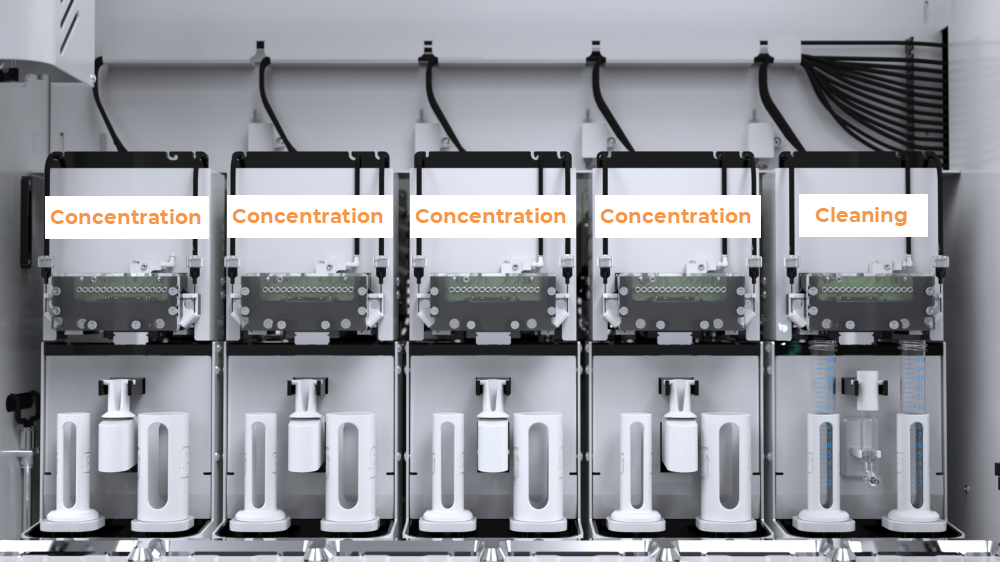
The aµtoPULSE Stations in a 4-1 Configuration
The Station’s key components include:
Base Chip: Connects with the chip’s valves and pumps to control the liquid from the instrument.
Chip Clamp: Holds the chip clamped during operation to ensure an airtight seal inside the chip.
Buffer Needle: Transfers buffer solution from the reservoir to the conical tube. The right buffer needle is inactive in Concentration Stations and only functions in the Cleaning Stations as a cleaning solution outlet.
Permeate Tubing Assembly: Facilitates the transfer of permeate liquid.
Scale: Measures the weight of the tubes and sample volumes using a load cell. The Conical Tube Scale is used for high-volume samples (in 50 and 15 mL conical tubes), while the Microtube Scale handles low-volume samples (in 1.5 mL microtubes).
Note: On the Cleaning Station(s), the center microtube scale is replaced by a drain to pump waste out.
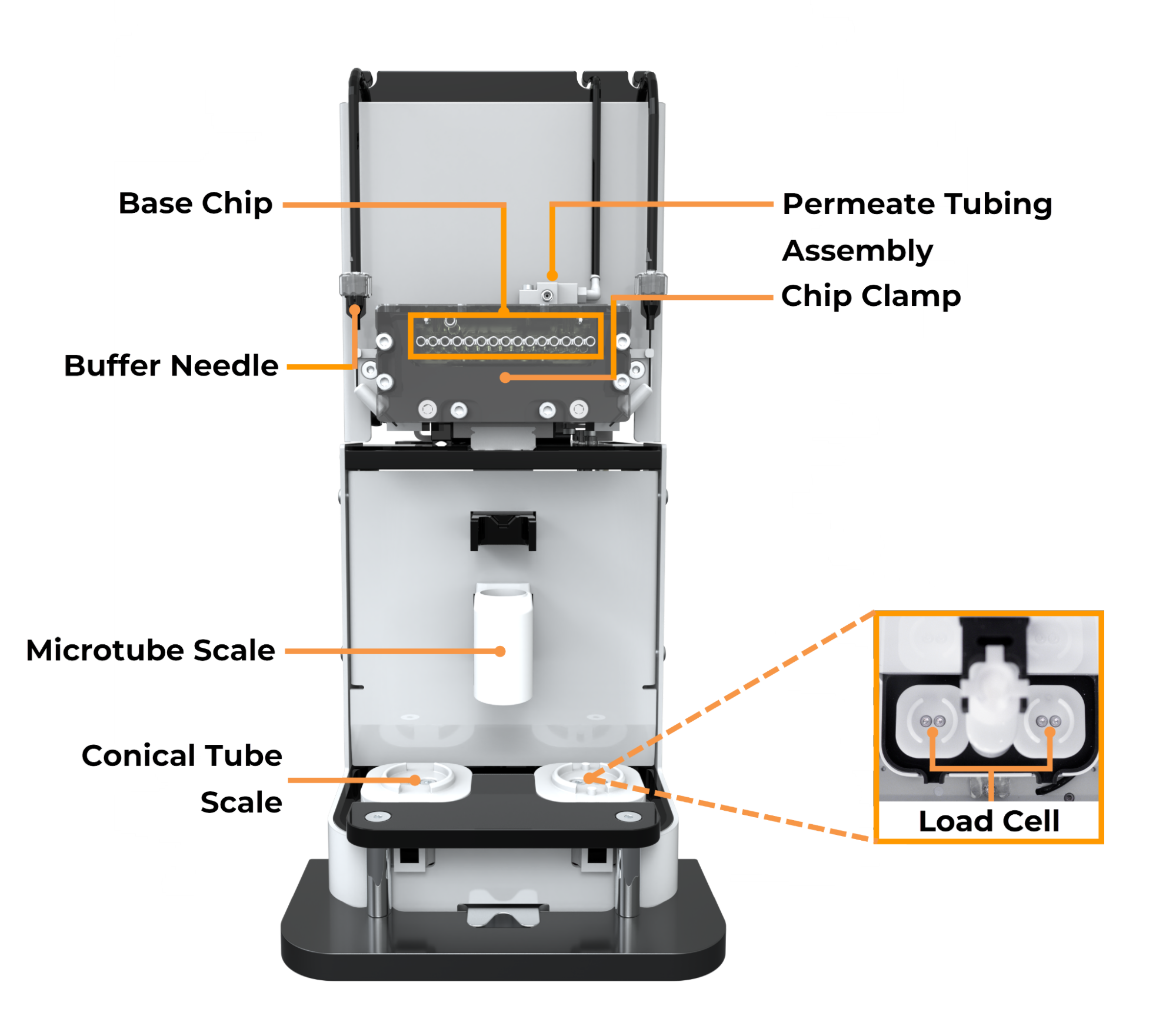
|
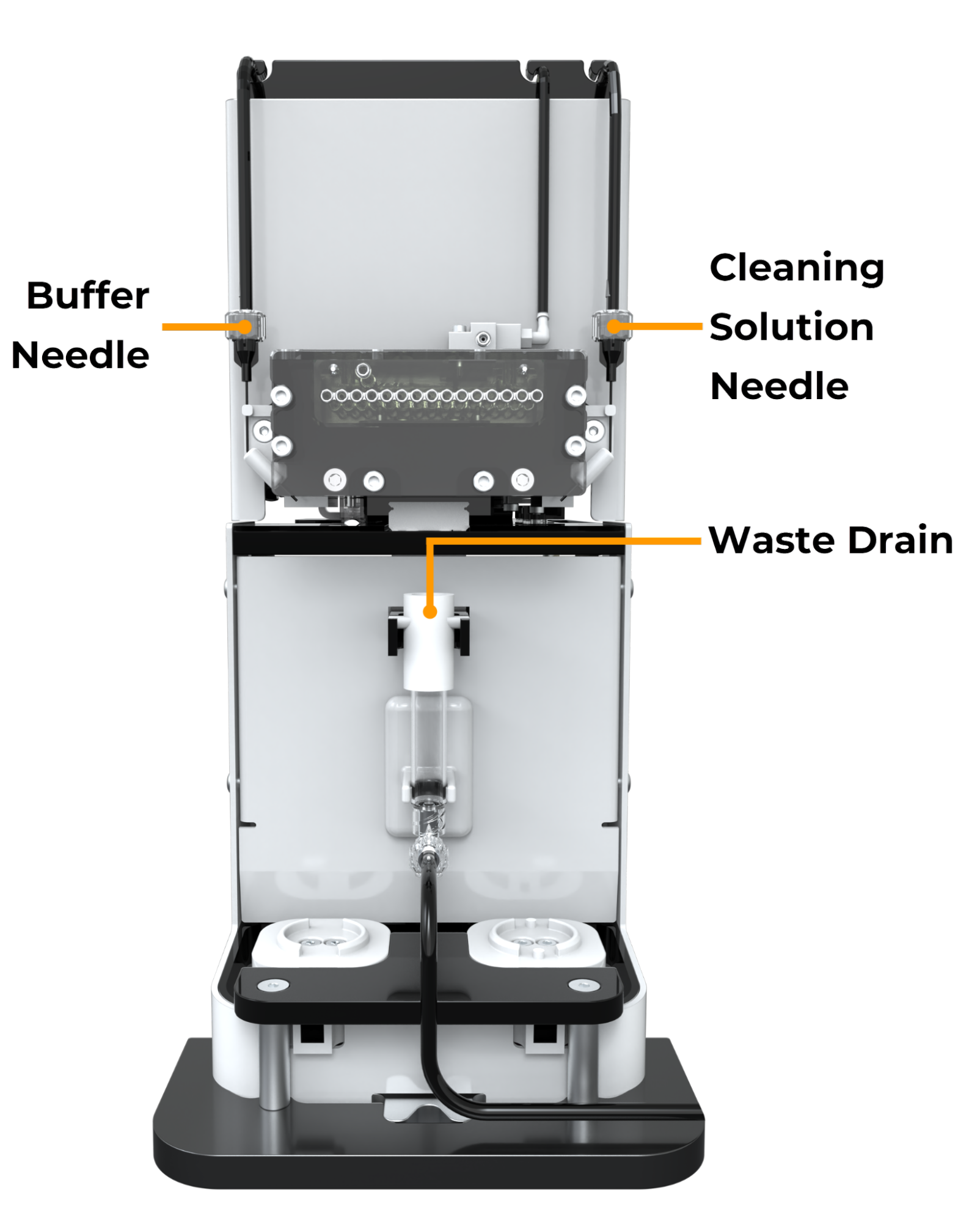
|
| Components in the Concentration Station | Components in the Cleaning Station |
The waste tray under the deck collects any spillover liquid. Pull it out to detach it from the instrument.
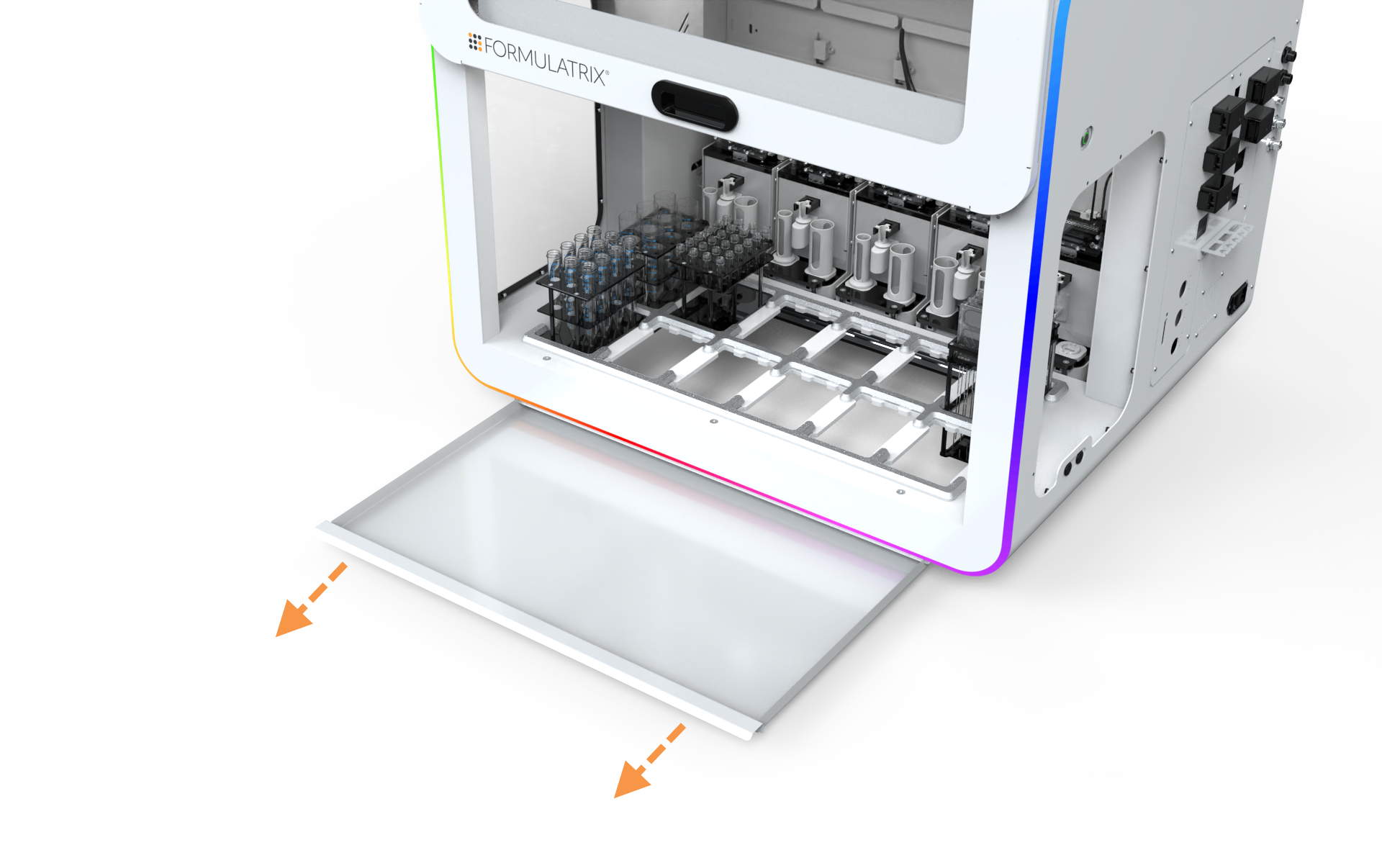
Waste Tray
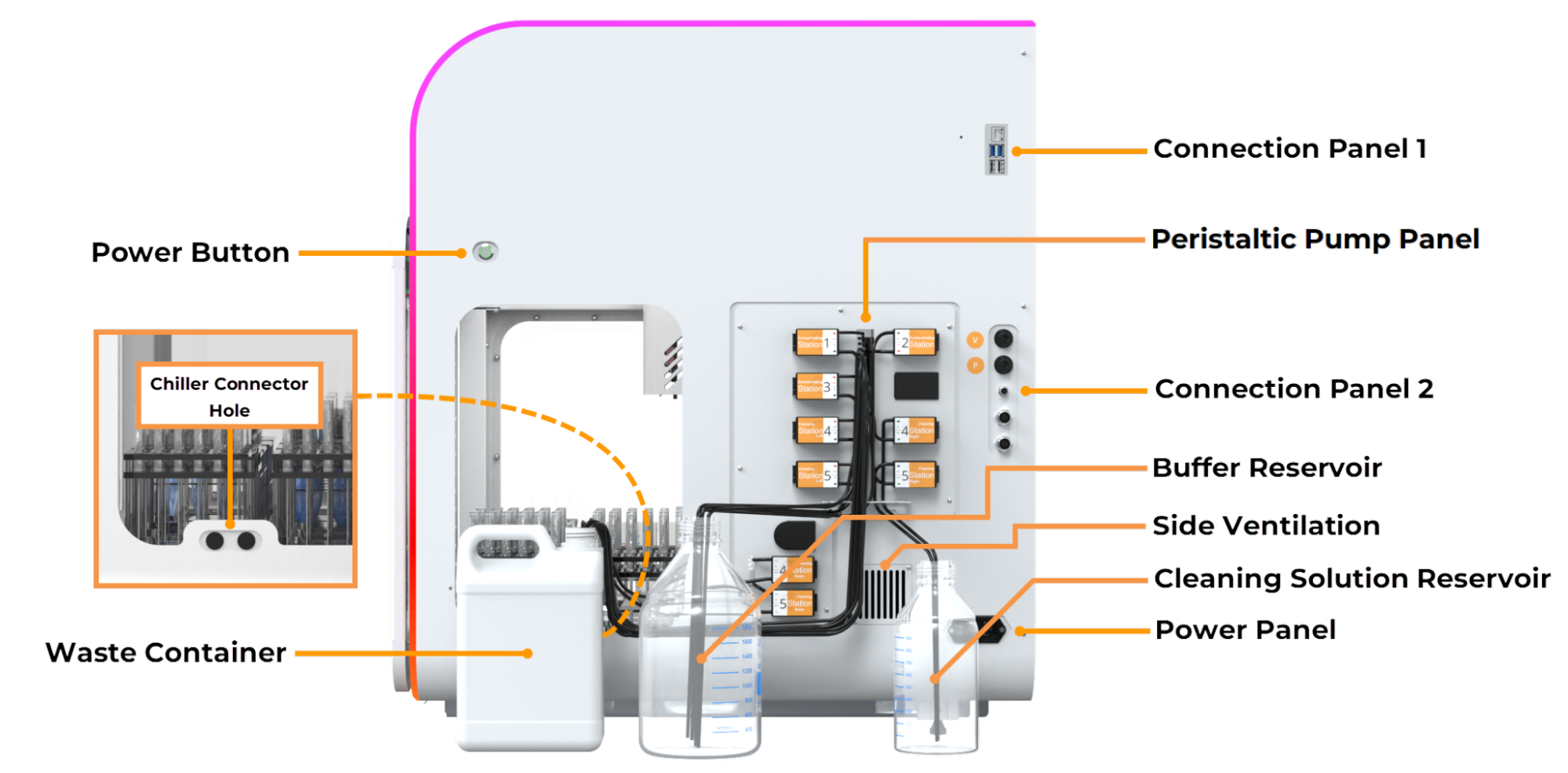
aµtoPULSE Right Side View
The power button turns the instrument on and off. This button indicates various colors to indicate the following status and behavior:
| Color | Description |
|---|---|
| Red (Blinking) | The instrument is connected to the power source and is powering up. Wait until the power button turns solid red. |
| Red (Solid) | The instrument has been powered up and is ready for initialization. You can press the button to activate the instrument. |
| Green (Blinking) | The instrument is shutting down or initializing to connect with the software. |
| Green (Solid) | The instrument is active and connected to the software. |
The chiller connector holes provide a pass-through for the chiller connectors to reach the cold pad on the deck.
Note: The Chiller set is an optional accessory. Contact FORMULATRIX support for installation.
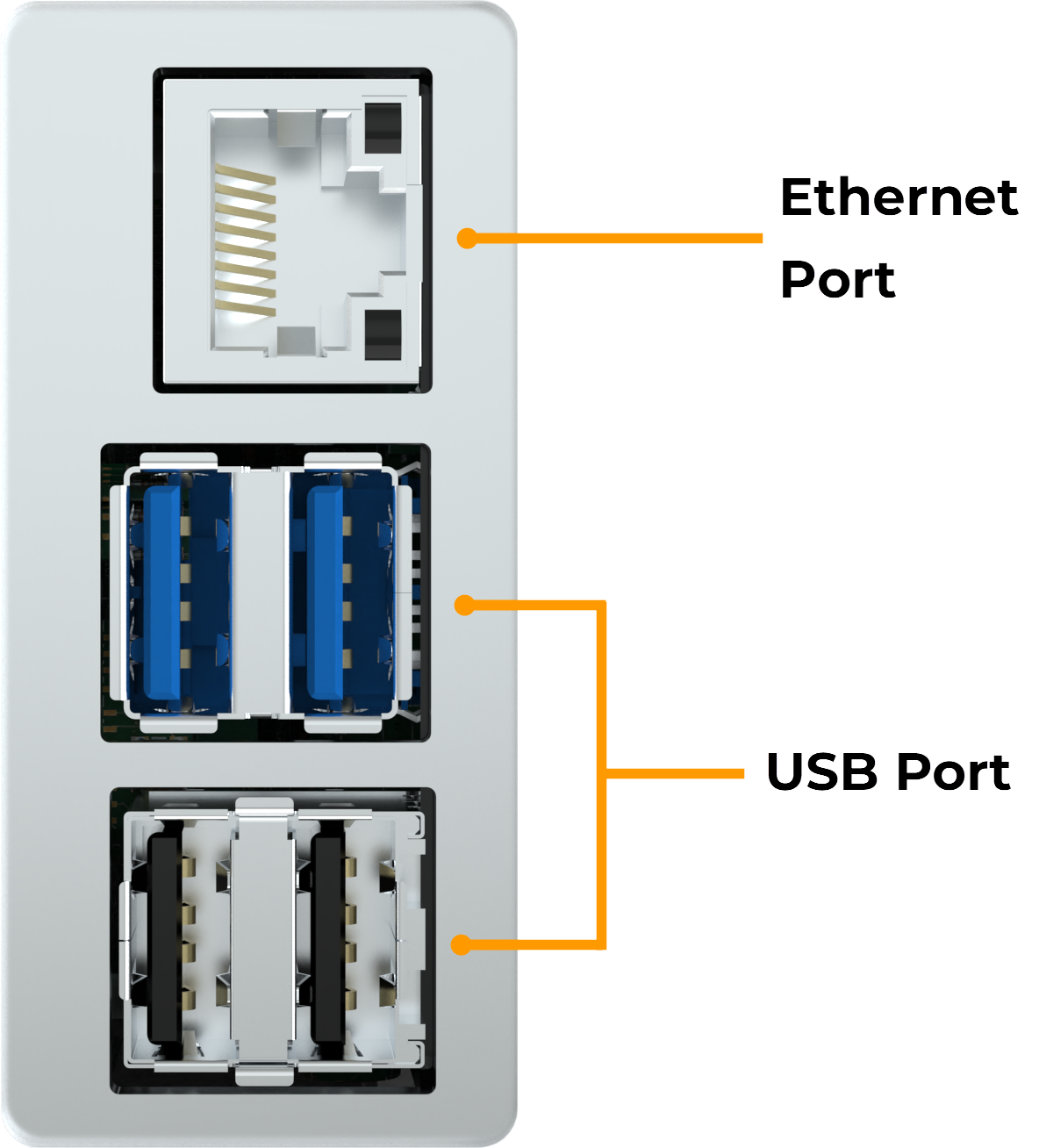
Ethernet Port and USB Port
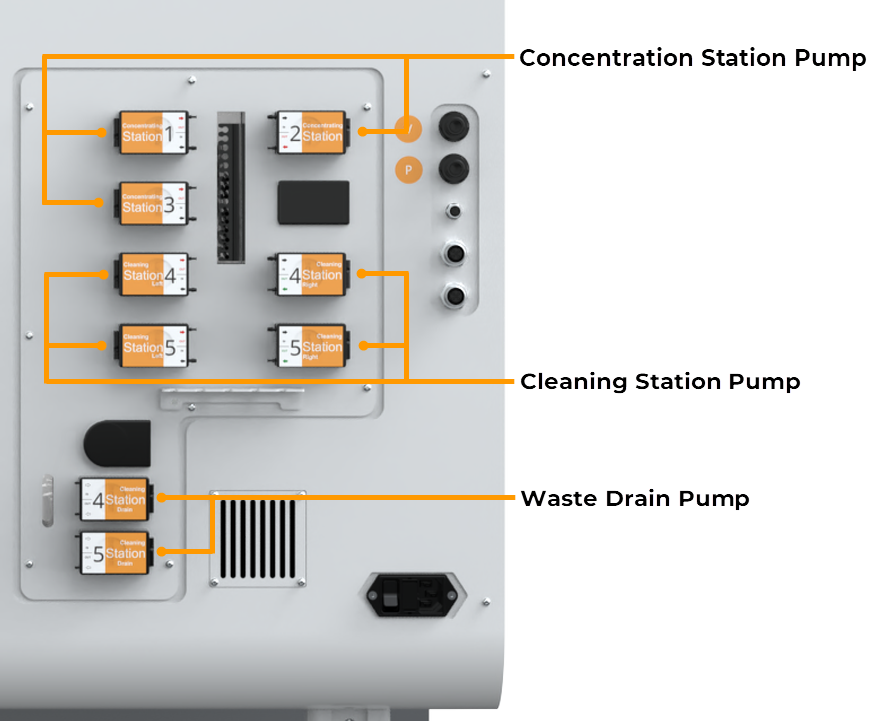
Components of the Peristaltic Pump Panel in 3-2 Configuration
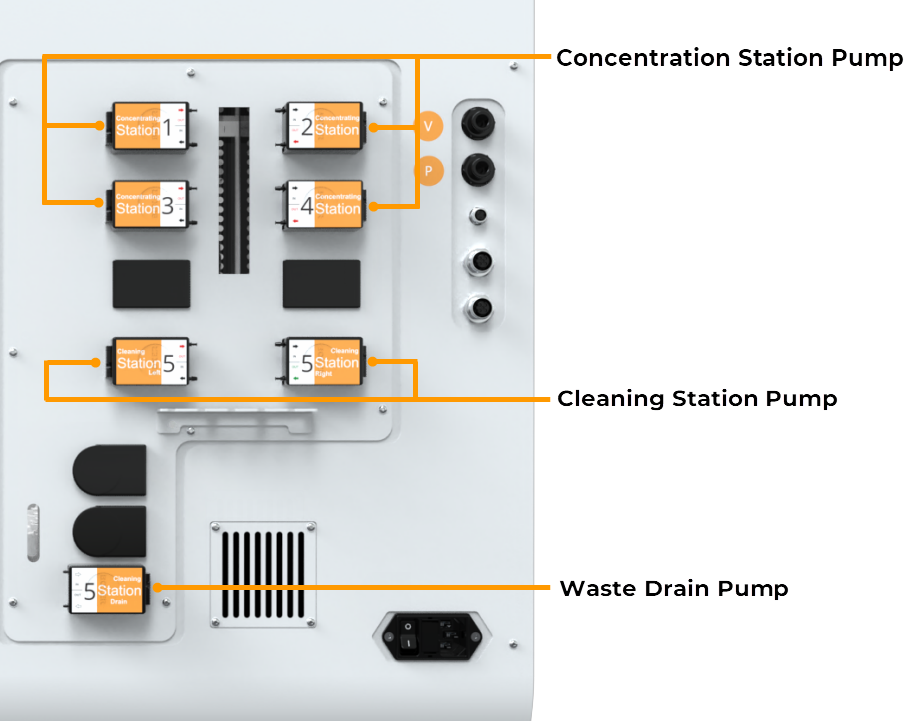
Components of the Peristaltic Pump Panel in 4-1 configuration
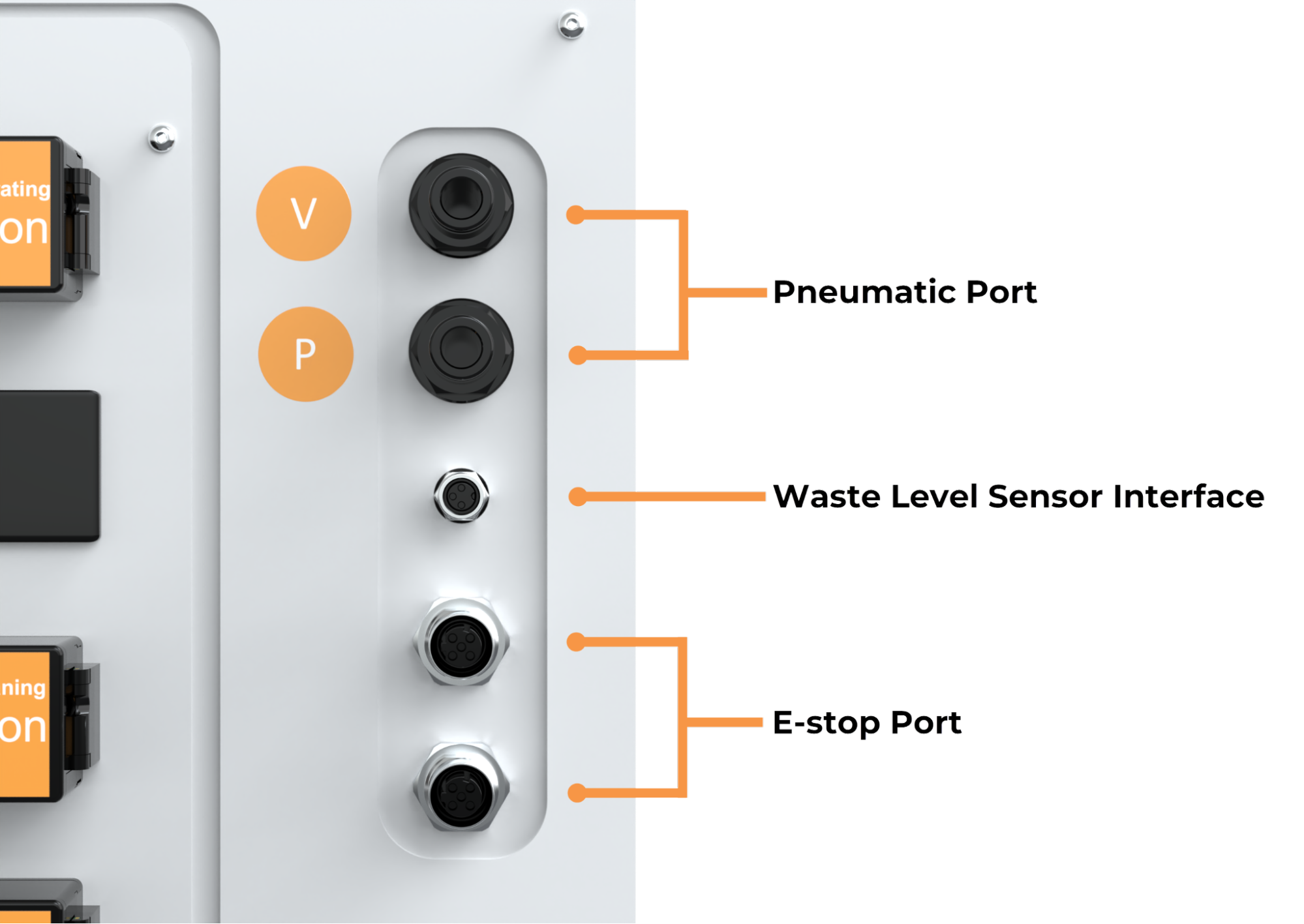
Pneumatic Port, Waste Level Sensor Interface, and E-Stop Port
The buffer reservoir holds buffer solution, used by the instrument when selected as the source.
The side vent allows the power supply access to fresh air.
The cleaning solution reservoir holds cleaning solution, used by the instrument when the cleaning cycle is enabled.
The waste container collects waste permeate liquid from the instrument during the filtration process for safe disposal.
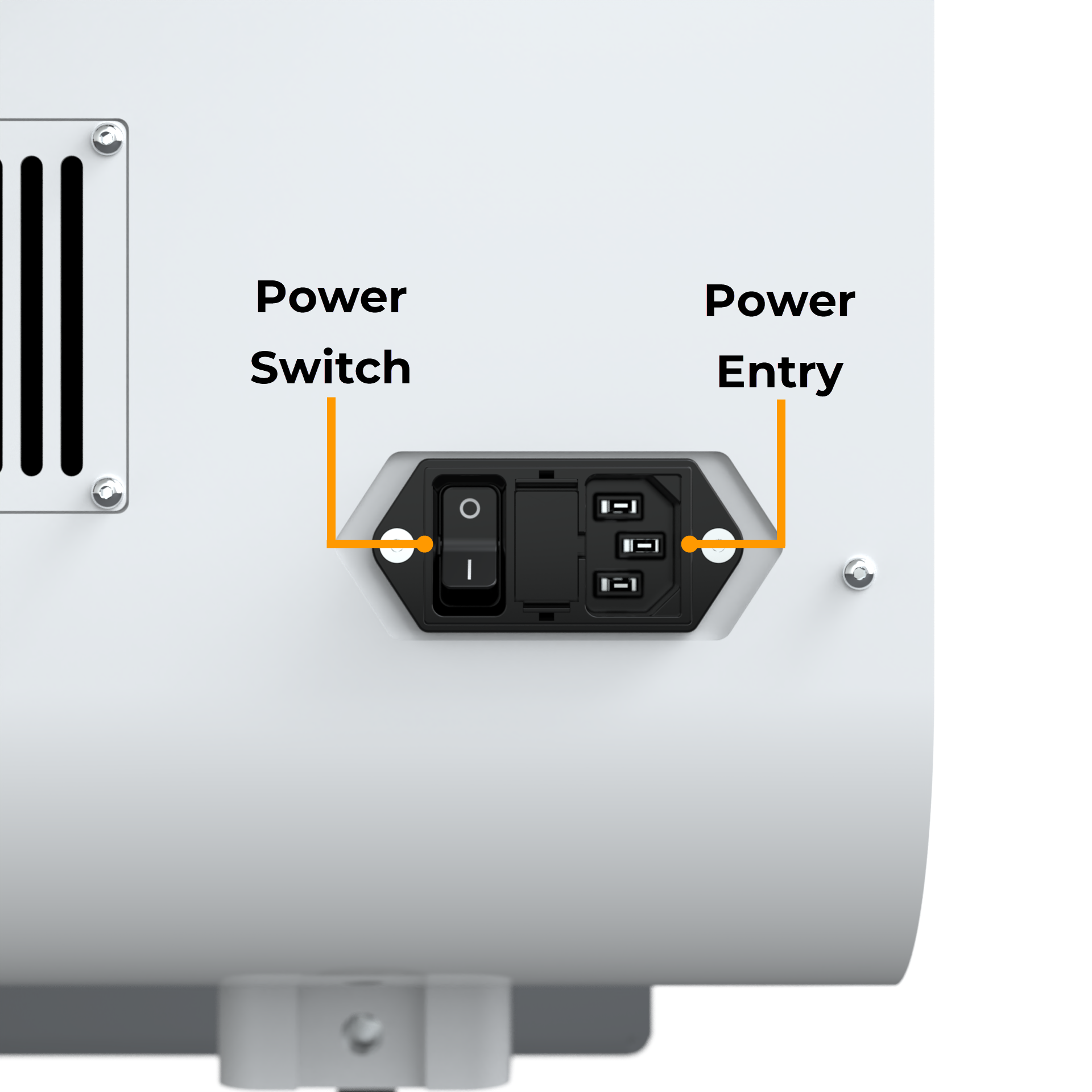
Power Switch and Power Entry
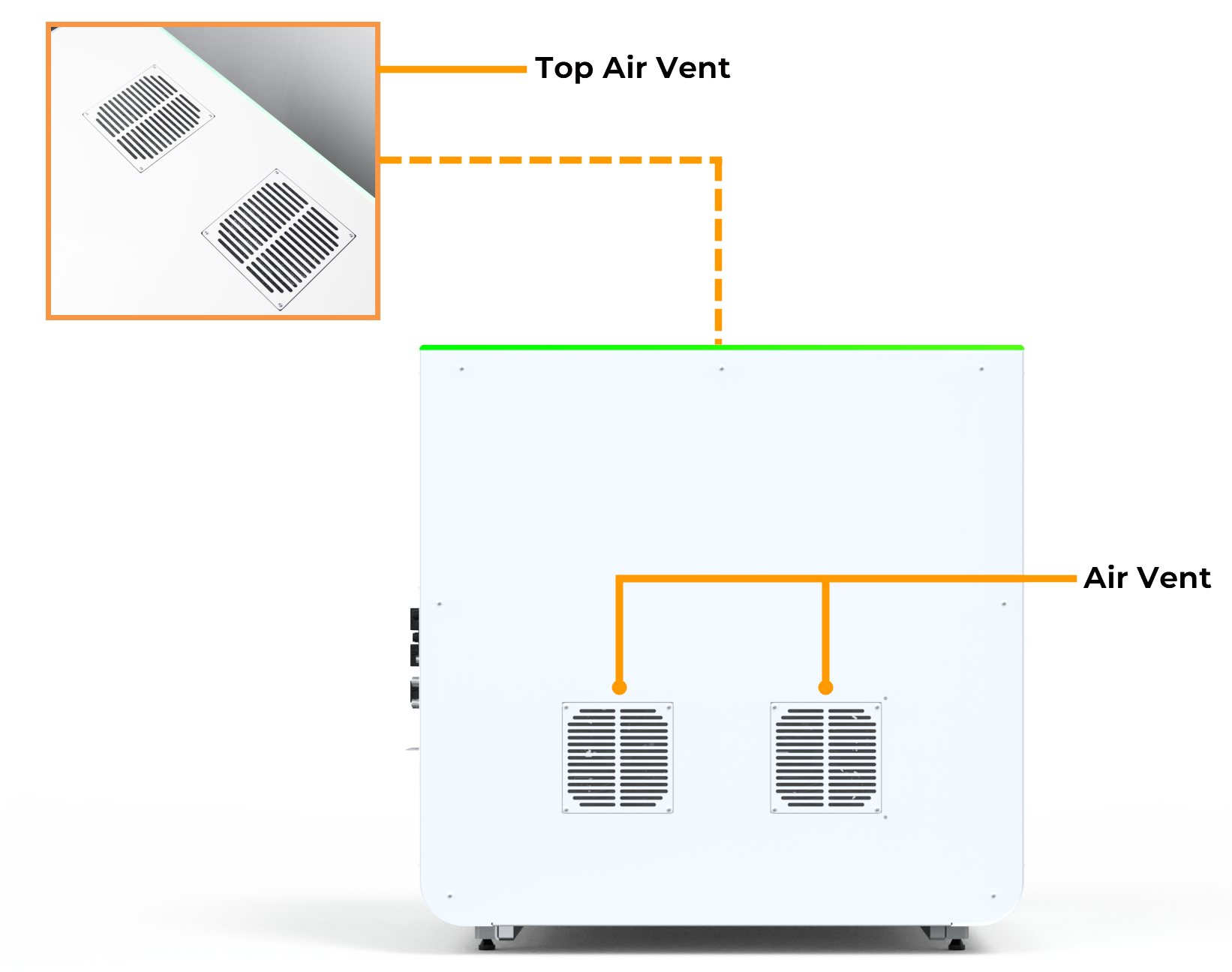
aµtoPULSE Back View
Air Vent
Two internal fans at the back draw air through the filter foam to maintain operating temperature. The air is then exhausted from the two ventilation fans at the top.
Chips are the primary filtering device of aµtoPULSE. They come in two membrane material options and several MWCO options:
| MWCO | Membrane Material | |
|---|---|---|
| mPES | RC | |
| 5 kDa | ✔ | ✔ |
| 10 kDa | ✔ | ✔ |
| 30 kDa | ✔ | ✔ |
| 50 kDa | ✔ | - |
| 100 kDa | ✔ | ✔ |
| 300 kDa | ✔ | - |
The aµtoPULSE chip consists of the following parts:
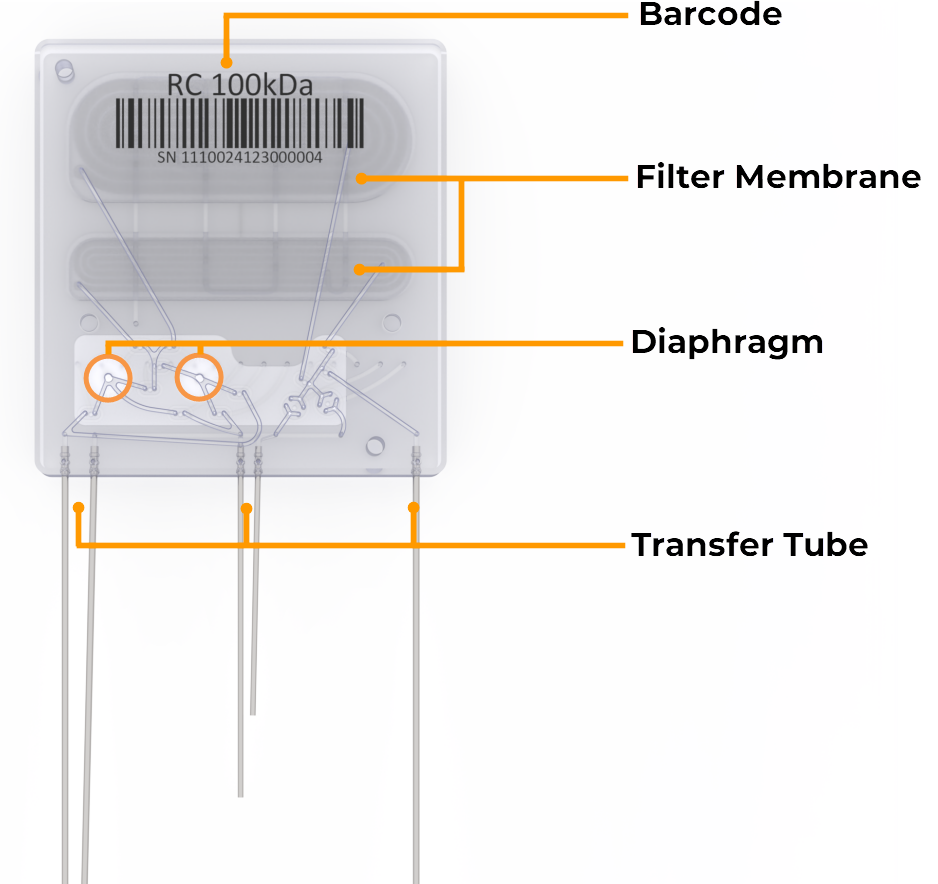
|
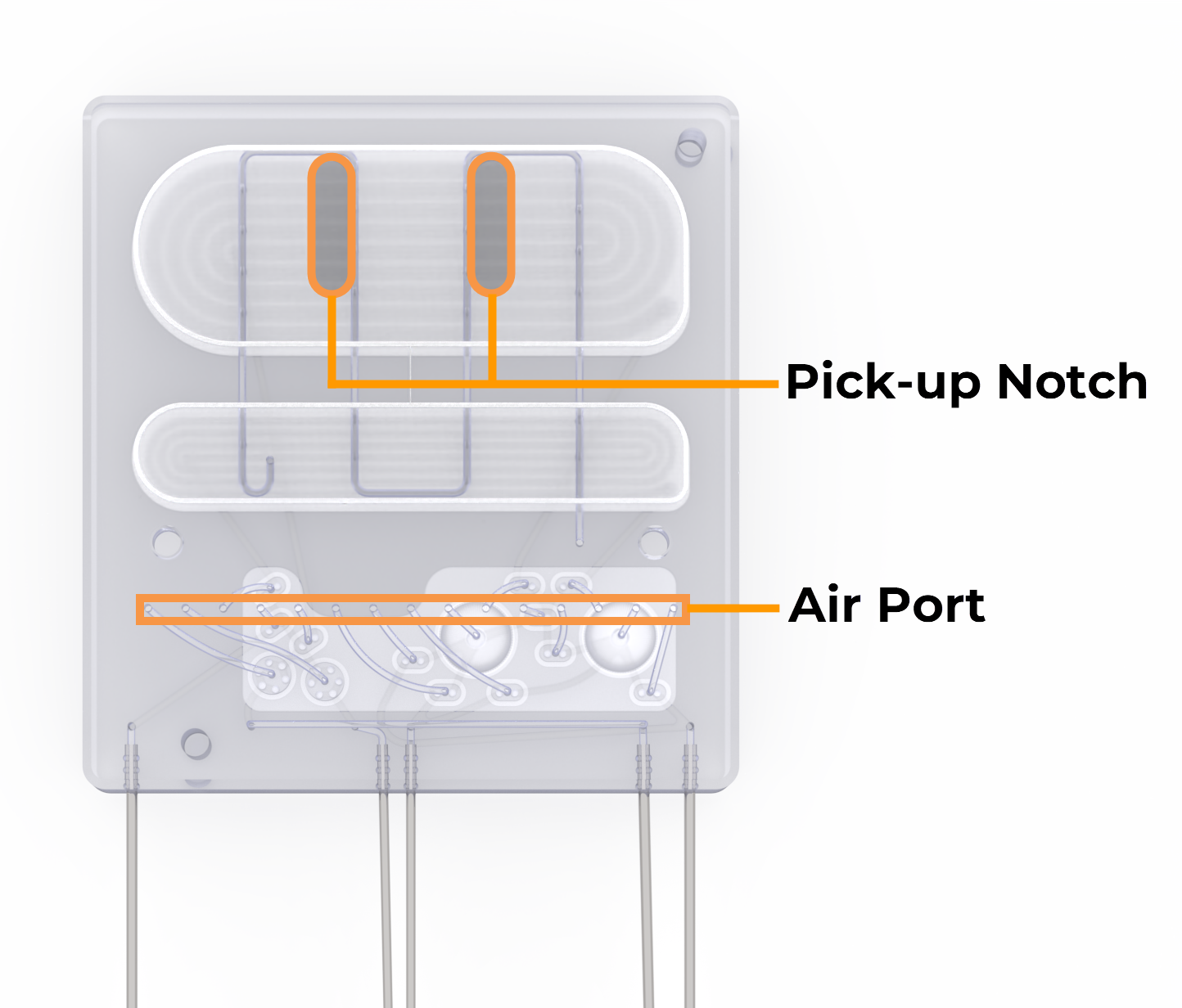
|
| Chip Front View | Chip Back View |
The barcode identifies the membrane material and its MWCO.
The filter membranes separate permeate from the sample, with both membranes (upper and lower) being used in high-volume filtration, while only the lower membrane is used for low-volume filtration.
The two diaphragm pumps circulate the sample and buffer through the chip membrane.
The transfer tubes allow the sample and buffer to flow into and out of the chip from the tubes.
The pick-up notch ensures the correct gripper position when picking up the chip.
The chip air port receives air flow from the instrument, actuating the diaphragm pump and control valves to control the liquid flow.
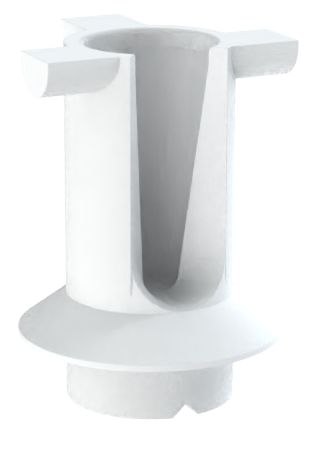
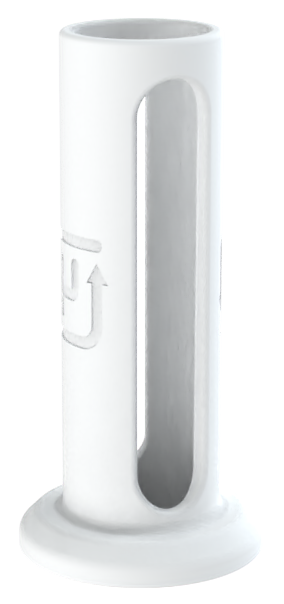
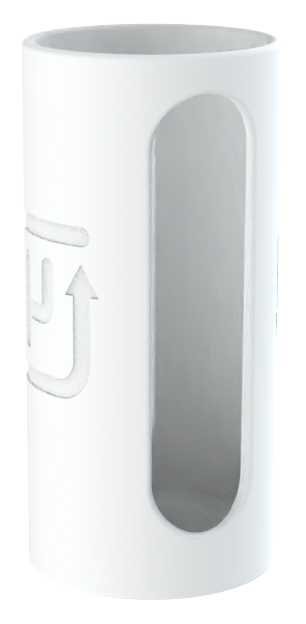
The tube adapters allow the sample and buffer tubes to rest securely on the scales, providing accurate weight values for the instrument.
|
|
|
| 1.5 mL Microtube Adapter | 15 mL Conical Tube Adapter | 50 mL Conical Tube Adapter |
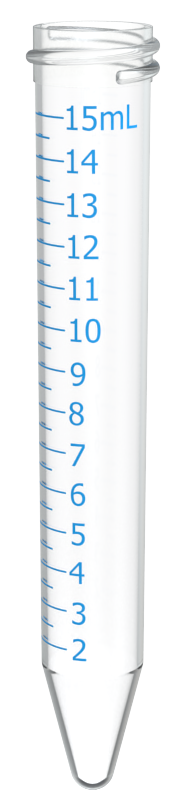
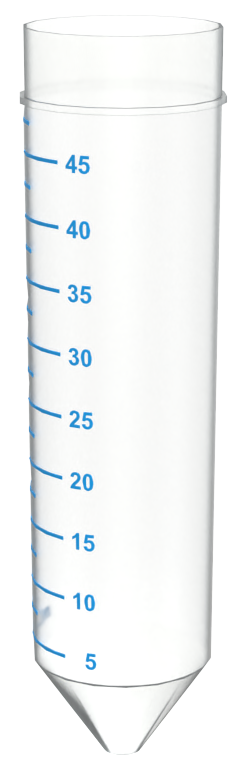
The conical tubes hold sample and buffer in two capacities: 15 mL and 50 mL.
|
|
| 15 mL Conical Tube | 50 mL Conical Tube |
The microtube holds 1.5 mL of sample and is primarily for small-volume operations.
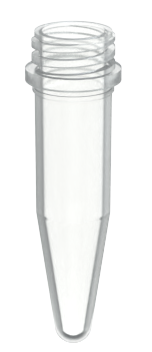
1.5 mL Microtube
Important: To prevent any misalignment or collision, make sure to use a proper microtube with no caps.
The tube rack holds your tubes and comes in 3 sizes:
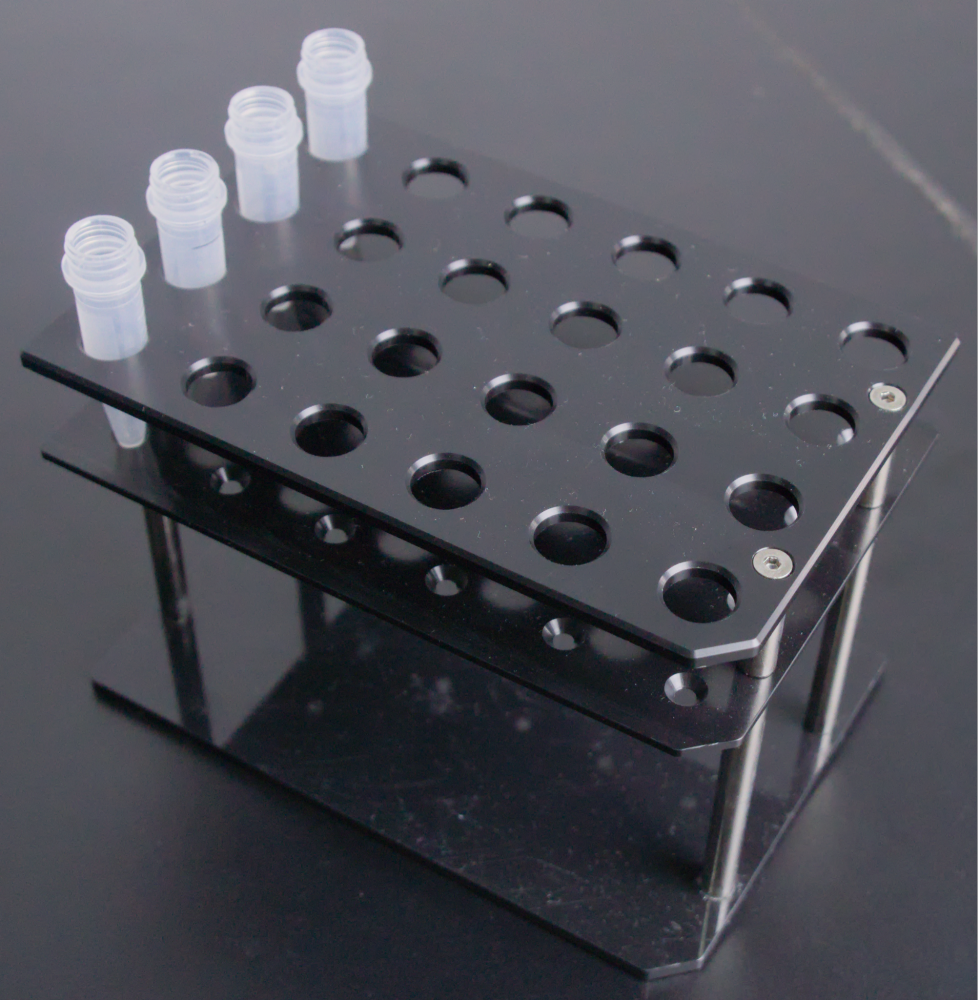
|
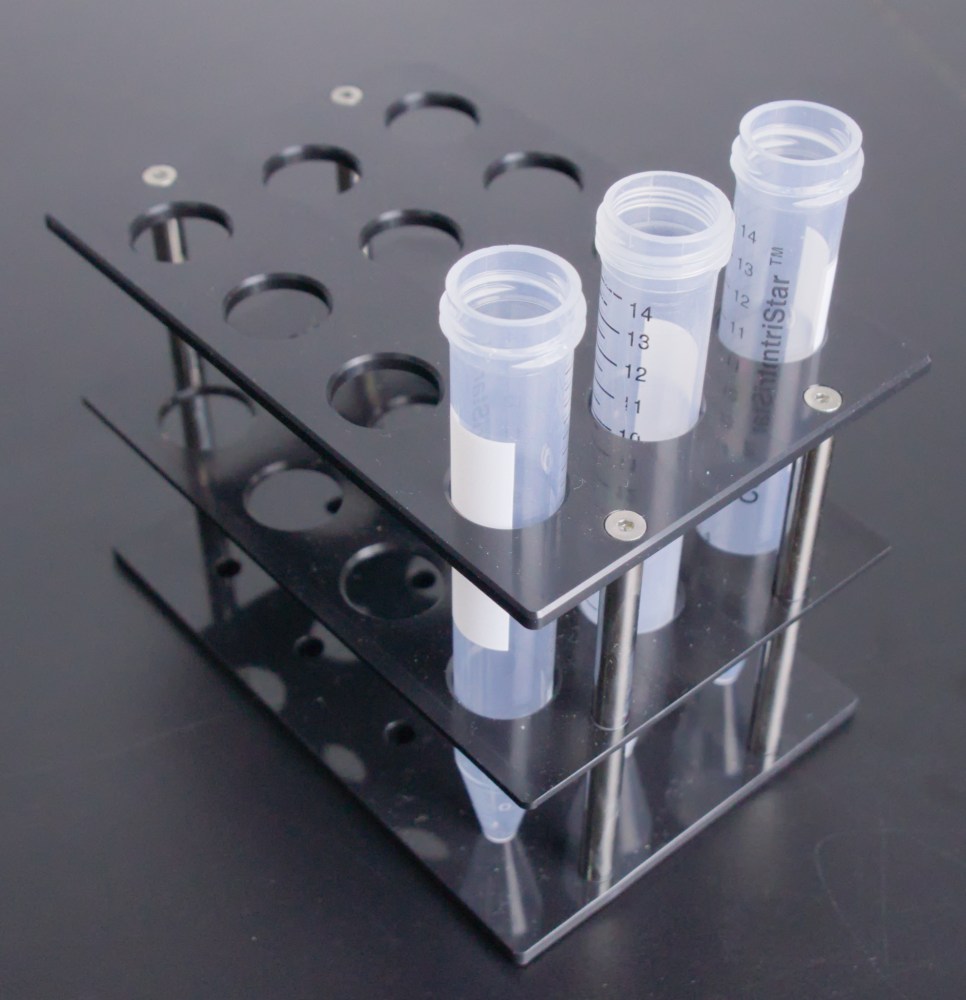
|
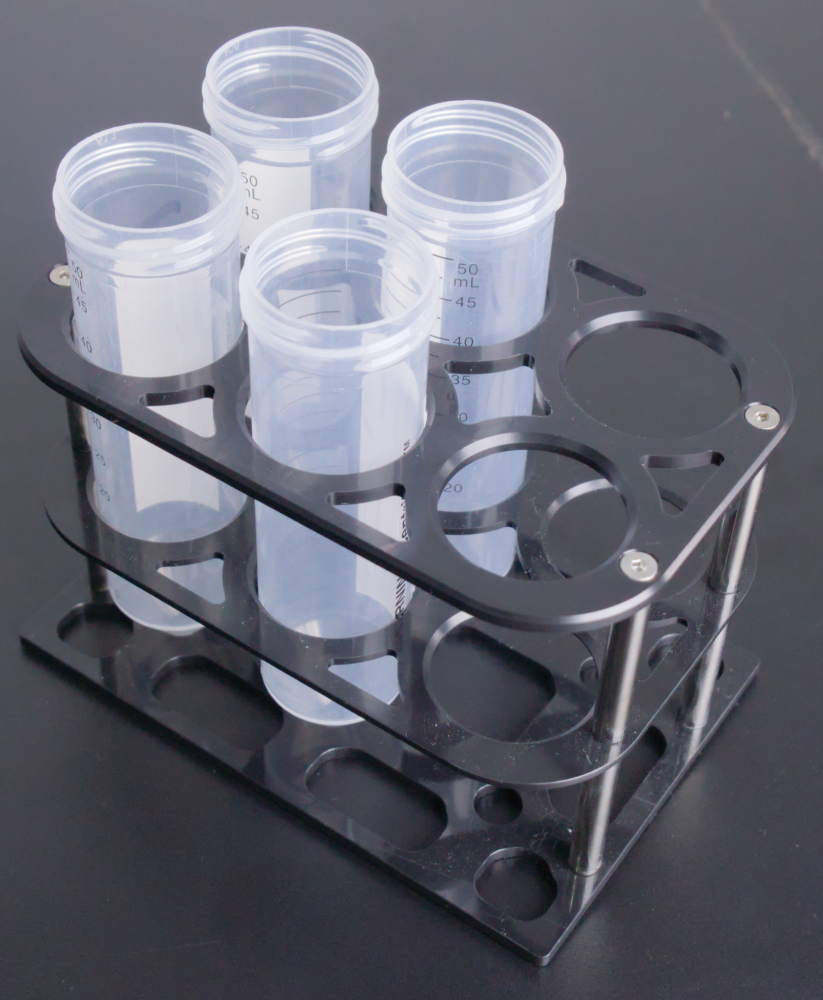
|
| 1.5 mL Microtube Rack | 15 mL Conical Tube Rack | 50 mL Conical Tube Rack |
The chip rack accommodates six chips and features a built-in alignment design for easier and correct placement.
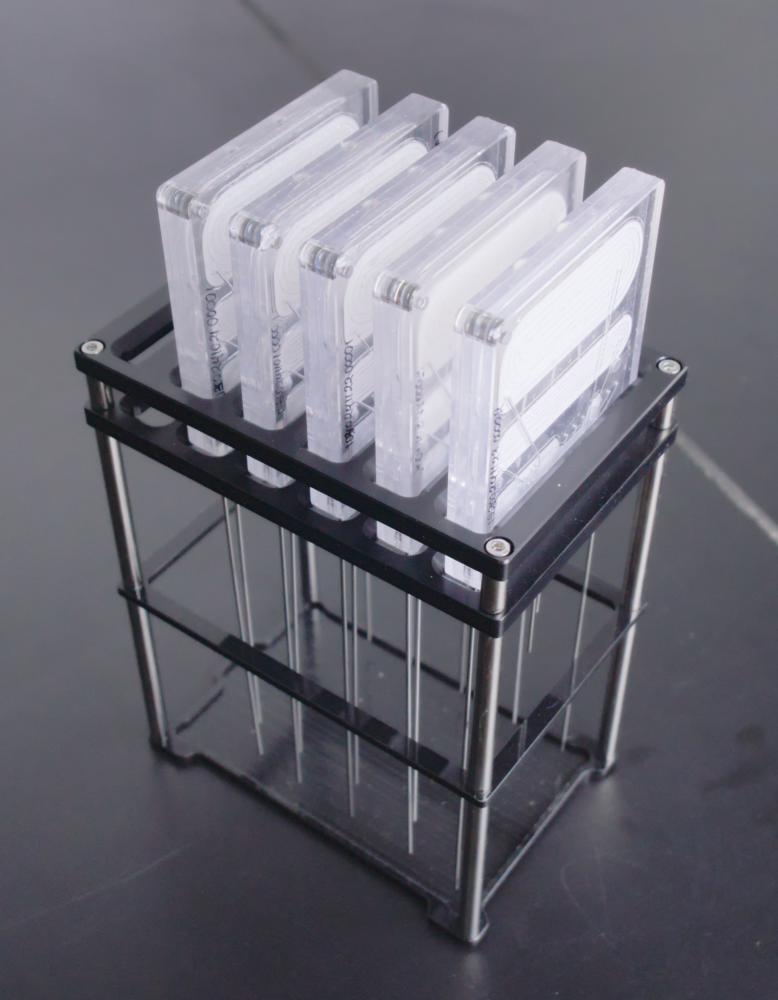
Chip Rack
Note: To purchase aµtoPULSE chip and other accessories, contact sales@formulatrix.com.

|
|
| APOWH-V12R125 |